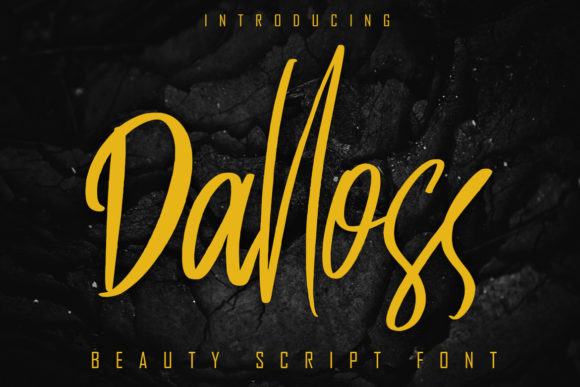
Rocket Aviator: A Modern Handwritten Font for Digital Design
As a web designer or digital product creator, your typography choices are more than just aesthetic—they shape the user experience. Rocket Aviator is a modern brush handwritten font that brings fluidity and personality to any design project. Its clean yet expressive strokes make it ideal for a wide range of applications, from bold hero headers to subtle brand accents.
Visual Characteristics and Personality
Rocket Aviator blends the organic charm of handwriting with the precision of digital typography. It features smooth, flowing letters with a slightly stylized edge, making it feel both personal and professional. The typeface’s consistent rhythm ensures legibility while maintaining a unique character that stands out in a sea of standard fonts.
This script font isn’t overly ornate but still exudes creativity and warmth. It works particularly well for brands that want to convey approachability without sacrificing polish—think lifestyle blogs, creative agencies, or boutique online stores looking to add a human touch to their visual identity.
Use Cases in Web Design
- Hero Sections: Use Rocket Aviator as a headline font to create an emotional connection with visitors right from the start. Its dynamic style can elevate your message and make your landing page more memorable.
- Call-to-Action Areas: For buttons or CTA banners where you need to stand out, this font adds a layer of energy and intention. Just be sure to use it sparingly and pair it with a contrasting sans serif for clarity.
- Logo Text: Rocket Aviator is excellent for logo text, especially if your brand wants to express innovation or craftsmanship. Its handwritten nature gives logos a fresh, personalized look.
- Portfolio Sites: Showcase your work with a creative font that reflects your artistic sensibilities. Rocket Aviator can help highlight titles or client names with flair and professionalism.
- Boutique Online Stores: This font pairs beautifully with e-commerce themes that prioritize a curated, artisanal vibe. Use it for product categories, featured collections, or promotional banners.
- SaaS Websites: If your SaaS platform is geared toward creatives or entrepreneurs, Rocket Aviator can help reinforce your brand’s innovative and user-friendly tone.
- Digital Ads and Social Media Graphics: Its versatility makes it a strong candidate for short-form content like headlines in Google Ads or Instagram posts. Just ensure it’s used at a size and contrast level that supports quick readability.
Readability and Visual Hierarchy
One common concern with script fonts is whether they compromise readability. In the case of Rocket Aviator, its balanced structure and clear letterforms address these issues effectively. While it may not be suitable for long body copy, it excels in setting up visual hierarchy when used in headers, subheaders, or key phrases.
When designing for mobile responsiveness, consider using Rocket Aviator for larger text elements like section headings or feature titles. On smaller screens, avoid using it in small buttons or navigation menus unless you have high contrast and sufficient spacing. The font performs best on light backgrounds, but with careful selection of weights and color tones, it can also work on dark modes or image overlays.
Its natural flow and open shapes allow it to maintain legibility even at smaller sizes compared to many other script fonts. That said, always test how it looks across devices and screen resolutions before finalizing layouts.
Brand Tone and User Engagement
Typography plays a crucial role in shaping a brand’s voice. Rocket Aviator leans into a contemporary, confident tone that works well for startups, creative professionals, and lifestyle brands. It conveys a sense of movement and modernity, which can subtly influence how users perceive your site’s trustworthiness and relevance.
Using this font consistently across your design assets—such as email templates, social media profiles, or website headers—helps build a cohesive brand identity. It reinforces a unified look and feel, making your digital presence more recognizable and professional.
Font Pairing Strategies
Pairing Rocket Aviator with complementary typefaces is essential to maintain balance in your layout. Here are a few practical combinations:
- With Sans Serif Fonts: A minimalist sans serif like Montserrat or Inter works great for body text when Rocket Aviator is used as a display font. This pairing keeps the layout scannable while adding a touch of creativity to headlines.
- With Serif Fonts: For editorial-style websites or course sales pages, try pairing Rocket Aviator with a classic serif like Lora or Playfair Display. This combination offers a blend of sophistication and spontaneity.
- Monochromatic Palettes: Stick to one or two weights of Rocket Aviator for consistency. Avoid overusing alternates unless they serve a specific purpose, such as highlighting key terms or call-to-action phrases.
Always consider the context and audience when choosing pairings. A playful script paired with a heavy industrial sans serif might clash unless your brand identity specifically calls for that contrast.
Commercial Licensing and Practical Usage
Before integrating Rocket Aviator into your projects, confirm that the font license covers all intended uses. Script Amp provides commercial font licensing details that should include usage rights for websites, client projects, online stores, and digital templates. Make sure you’re aware of whether the license allows for unlimited installations or requires additional fees for large-scale deployments.
For web designers working on multiple projects, having access to multilingual support and various file formats (like WOFF and TTF) is vital. Check what styles and language options are included so you can confidently use Rocket Aviator in international branding or multilingual websites.
Optimizing for Responsive Layouts
When implementing Rocket Aviator into responsive designs, keep these tips in mind:
- Mobile Screens: Prioritize larger header sizes to ensure legibility. Avoid using it in dense paragraphs or tight button labels.
- Image Overlays: Use lighter weights and softer colors for overlay text to preserve visibility without overshadowing the background imagery.
- Dark Mode: Lighter versions of the font work best here. Consider reducing stroke weight or increasing contrast to maintain clarity.
- Small Buttons: Limit the use of Rocket Aviator in UI elements like buttons unless you’re going for a bold, decorative style. Opt for a simpler companion font in most interactive components.
By thoughtfully applying Rocket Aviator in the right places, you can enhance the visual appeal of your layouts while ensuring functionality remains intact.
Real-World Examples
Let’s look at how Rocket Aviator could be applied practically:
- Coaching Website: Use it for mission statements or testimonials to add warmth and authenticity to client quotes.
- Product Landing Page: Highlight core benefits or pricing points with Rocket Aviator to draw attention and create a sense of urgency.
- Blog Headers: Add personality to blog titles or category headers, making them visually distinct without overwhelming the reader.
- Course Sales Pages: Feature course titles or instructor names with Rocket Aviator to create a friendly, engaging tone that appeals to learners.
- Branded Email Signatures: Incorporate it into your team’s signature block to give your communications a polished yet personable finish.
Conclusion
Rocket Aviator is a standout addition to any designer’s font library. Its modern handwritten style bridges the gap between formality and friendliness, offering a premium font option that feels current and adaptable. Whether you're crafting a brand-focused web experience or optimizing for conversion-driven layouts, Rocket Aviator helps you communicate with clarity and confidence.
Remember to use it strategically—where it enhances rather than hinders the user journey. With proper font pairing and attention to responsive design principles, Rocket Aviator can become a cornerstone of your digital typography toolkit.